
 I was recently listening to an interview with a well-known female athlete. In it she was asked about the fears some women have when beginning weight training. The main fear was that weight training would lead to bulkiness. She replied “females will only get bulky if they lift heavy and take whey protein. Women shouldn’t take whey protein”.
I found this to be a hugely sweeping statement and entirely untrue.
I would like to provide some basic information on whey protein, some of it’s benefits and how best to use it.
What is it?
Whey protein is a refined form of milk. After pasteurisation milk is separated into different products including low-fat milk, cheese and butter. When cheese is produced there are some by-products, the main being liquid whey. Liquid whey is then dried into powder form and flavour is added. This is what we buy in bags/tubs from various companies.
For a more detailed explanation on how it’s made click Here
Where Is It Useful?
Protein is an essential macronutrient that our body needs for the repair and growth of muscles. Active people generally require 1.2-2 grams of protein per kg of bodyweight (depending on how active you are). Protein comes from a variety of sources such as chicken, beef, fish, eggs, nuts, milk, etc., Larger individuals who are very active may need in the region of 200grams of protein per day. This would be very difficult to consume exclusively from food so whey protein is a very useful supplement.
Vegetarians/Vegans may also find it difficult to meet protein requirements so supplementing with whey is again very useful.
Powdered whey is very handy to carry around and has a long shelf life, especially when compared to meat, dairy and eggs. This makes it useful for people who travel a lot or do not have access to cooling facilities while at work.
It can easily be carried around in a small lunchbox or shaker and mixed with water/milk to consume directly after a training session/workout or as a mid-day snack.
Myth-Busting
Many believe that whey protein will make you bulky as it causes muscles to grow rapidly and adds unwanted size around the muscles.
Unfortunately for many athletes, bodybuilders and fitness enthusiasts, this is not the case. Building muscle takes a lot of effort in the gym, a lot of food and smart recovery. A simple scoop of whey protein is a tiny drop in the ocean of muscle/strength gain.
A normal chicken fillet contains about 30g of protein while a scoop of whey contains about 24g. A chicken fillet certainly won’t make someone excessively bulky (if at all) so something containing less protein is bound to have a lesser effect.
Many females fear weight training and taking supplements as they feel they will gain size too quickly especially when they supplement with whey.
Males who spend countless hours in the gym and consume large amounts of protein put on weight as they are aided by the hormone testosterone. Females have much lower levels of testosterone and so have greater difficulty in adding muscle (even when they want to).
The main factor affecting increases in size (or bulk) is calorie balance. If you eat more calories than you use then your body will grow larger. Where it grows and whether it increases in fat or muscle will depend on what type of training you are doing.

A standard scoop of whey protein contains 130 calories. The majority of which is lean protein. A medium Starbucks latte contains 190 calories before adding sugar or anything else.
If you really are concerned with not adding size then you should be aware of your overall calorie balance throughout the day as opposed to one or two supplements and how they may affect your body.
Many ask if it is safe for teenagers to take along with weight training. Parents often feel their muscles will grow too fast and affect growth. While it is entirely safe to take I would never recommend it, as a balanced nutritious diet will provide all the protein required to maximize time spent in the gym. Ensuring correct technique and exercises are performed is of much more importance to teenagers in the gym than what supplements they are taking.
How To Use It
Most people will consume whey protein in the form of shakes. These are usually directly after a workout/training or as a meal replacer at any stage of the day when you do not have time to prepare a regular meal.
Personally, I find shakes a bit boring and can leave you feeling hungry quite soon afterwards.
My two preferred methods to use whey with coffee or with porridge oats.
There are a variety of flavours available. The most popular being vanilla, chocolate, strawberry and banana. I prefer to add half a scoop of chocolate or vanilla to my morning coffee. It tastes just like a mocha or vanilla latte. You can also add it to decaf before bed to replicate a hot chocolate while also getting in extra protein.
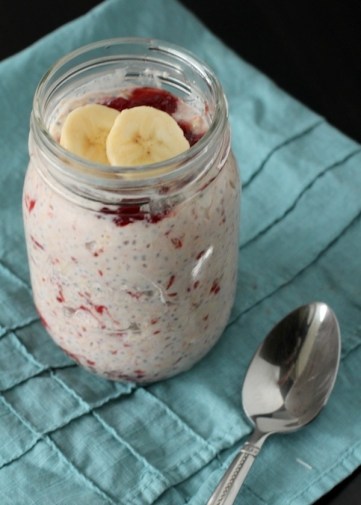
Alternatively you can add it to porridge oats. Recently I have been adding a full scoop of cinnamon flavour to 80-100g of porridge with milk or water. This is a fantastic meal either before or after training and can include anything else you would add to porridge such as blueberries or raspberries.
Where To Buy It
Most large towns/cities now have a vitamin shop that sell a variety of flavours from many companies.
Many gyms now sell protein supplements in many flavours.
Buying online is generally a cheaper option but be careful to buy from reputable sites and companies. The sites I usually use are MyProtein, BulkPowders and HPnutrition.
Is It For Everyone?
I am not suggesting that everyone should take whey protein. If you are able to eat adequate protein from natural sources then supplementation is not necessary.
It’s not a magic powder that will suddenly lead to huge gains in size and strength.
It will not make up for a bad diet filled with fast food and takeaways nor will it improve performance more than proper hydration and sleep.
It is very useful if used correctly but cannot make up for eating natural foods in the right quantities.
If you have any questions regarding whey protein or any other supplement feel free to email me at fhsperformance@gmail.com.
You can also avail of the free workout programmes and nutritional information that I provide from the same email address.
 FHS-Performance